How to Start an Online Business in India: Complete Guide
Starting an online business in India has become easier because entrepreneurs can sell products, provide services, create digital products, or build online platforms without needing a large physical office or shop. However, choosing the right business model, understanding registrations, setting up payments, and finding customers are important before starting.
This guide explains how to start an online business in India, including business ideas, registration requirements, costs, marketing and practical steps for beginners.
Quick Information
| Particular | Details |
| Business type | Online product or service business |
| Investment | Can start from low investment |
| Business structure | Proprietorship, Partnership, LLP, Pvt Ltd, etc. |
| GST | Required depending on business activity and applicable rules |
| MSME/Udyam | Optional but useful for eligible businesses |
| Website | Recommended for building an online presence |
| Payment methods | UPI, cards, net banking, payment gateways |
| Marketing | SEO, social media, ads, email and content marketing |
| Main challenge | Getting customers and maintaining profitability |
- Choose an Online Business Idea
The first step is deciding what you want to sell or offer. An online business can be based on physical products, services, digital products or content.
Some popular online business ideas in India include:
- E-commerce store
- Online clothing or fashion business
- Handmade products business
- Digital marketing agency
- Freelancing services
- Online tutoring
- Graphic design services
- Web development
- Affiliate marketing
- Online consulting
- Digital products and courses
- Dropshipping
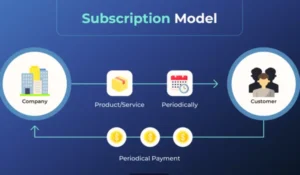
- Subscription-based services
- Content or niche websites
Choose an idea based on your skills, available capital, market demand and competition.
- Identify Your Target Customers
Before spending money on a website or advertising, identify who will buy from you.
For example, if you sell fitness products, your target customers could be gym users, fitness enthusiasts or home-workout customers.
Consider:
- Age group
- Location
- Income level
- Interests
- Problems they want to solve
- Where they usually shop online
A clearly defined target audience makes marketing much easier.
- Research the Market and Competitors
Search for businesses already selling similar products or services. Study their prices, websites, social media presence, customer reviews and marketing methods.
The purpose is not simply to copy competitors. Instead, identify an opportunity to offer something different, such as:
- Better pricing
- Faster delivery
- Better customer support
- A specific niche
- Better product quality
- Personalised service
- Useful educational content
A small but clearly defined niche can sometimes be easier to build than a business targeting everyone.
- Choose a Business Structure
You need an appropriate legal structure for your business.
Common options include:
| Business Structure | Suitable For |
| Sole Proprietorship | Individual/small business |
| Partnership | Two or more owners |
| LLP | Partners wanting limited liability |
| Private Limited Company | Growing businesses and startups |
| One Person Company | Single entrepreneur seeking a corporate structure |
A small individual business may begin as a proprietorship, while businesses planning to bring in investors or scale significantly may consider an LLP or private limited company.
The appropriate structure depends on ownership, liability, taxation, compliance and future plans.
- Complete the Required Registrations
Not every online business needs the same registrations. Requirements depend on what you sell, your turnover, business structure and where you operate.
GST Registration
GST registration may be required when your business becomes liable under applicable GST rules. Certain activities and situations can have separate registration requirements.
The GST registration process is completed online through the GST portal. The official process includes providing PAN, mobile number and email details and completing business, authorised-signatory, place-of-business, goods/services and verification information.
Udyam Registration
Eligible small businesses can consider Udyam Registration. The official MSME portal states that Udyam registration is free, paperless and based on self-declaration. It provides a permanent Udyam Registration Number and an online certificate.
You can use the official Udyam Registration portal rather than paying private websites for the registration.
Startup India Recognition
If your business qualifies as a startup under the applicable DPIIT criteria, Startup India recognition may provide access to certain benefits. Current DPIIT rules updated in February 2026 increased the general turnover threshold for startup recognition to ₹200 crore, subject to other eligibility conditions.
- Select a Business Name and Domain
Choose a business name that is:
- Easy to remember
- Easy to spell
- Relevant to your business
- Not confusingly similar to another brand
- Suitable for future expansion
You can then purchase a suitable domain name and create a professional email address.
Before finalising the name, check relevant trademark availability to reduce the risk of future disputes.
- Build Your Website or Online Store
Your website becomes your digital storefront.
Depending on your business, you can create:
- Product e-commerce website
- Service website
- Portfolio website
- Booking website
- Membership website
- Content-based website
A basic business website should generally include:
- Home
- About
- Products or Services
- Contact
- Privacy Policy
- Terms and Conditions
- Refund/Cancellation Policy, where applicable
For an e-commerce business, product descriptions, prices, images, delivery information and payment options should be clearly displayed.
- Set Up Online Payments
Customers should have convenient payment options.
Depending on your business model, you can offer:
- UPI
- Credit and debit cards
- Net banking
- Payment gateways
- Bank transfers
- Cash on delivery, where practical
Keep proper records of sales, refunds and transaction charges.
- Decide How You Will Deliver Your Product or Service
Physical-product businesses need a reliable delivery system.
You need to plan:
- Packaging
- Shipping partner
- Delivery locations
- Shipping charges
- Return handling
- Replacement process
- Customer support
For digital products and services, delivery may involve email, cloud storage, online meetings, software access or a customer dashboard.
- Create a Marketing Strategy
Having a website does not automatically bring customers. You need a consistent marketing strategy.
Search Engine Optimisation
SEO can help your website appear when people search for relevant products, services or information on Google.
Focus on:
- Keyword research
- Useful content
- Product/service pages
- Internal linking
- Technical SEO
- Page speed
- Mobile usability
Social Media Marketing
Platforms such as Instagram, Facebook, YouTube and LinkedIn can help depending on your target audience.
Paid Advertising
Google and social media advertising can generate traffic faster, but advertising costs should be monitored carefully.
Start with a small budget and measure conversions before increasing spending.
- Keep Proper Financial Records
Separate business and personal finances as much as possible.
Track:
- Sales revenue
- Product costs
- Advertising expenses
- Website expenses
- Shipping costs
- Payment gateway charges
- Salaries or freelancer payments
- Taxes
- Net profit
Revenue alone does not indicate whether an online business is profitable. You need to understand your actual expenses and cash flow.
- Start Small and Scale Gradually
You do not necessarily need a large investment at the beginning.
A practical approach is:
Idea → Market research → Small launch → Customer feedback → Improve → Marketing → Scale
Test your product or service with a small customer group first. Once you understand demand and unit economics, you can expand your product range, marketing budget, team or geographical reach.
Common Mistakes to Avoid
New online businesses often make mistakes such as:
- Starting without market research
- Spending too much on the website
- Ignoring legal requirements
- Choosing a very broad target audience
- Depending on only one marketing channel
- Not tracking profit
- Ignoring customer complaints
- Offering too many products initially
- Copying competitors without differentiation
- Scaling advertising before understanding conversion rates
How Much Does It Cost to Start an Online Business in India?
The cost depends heavily on the business model.
A service-based business can potentially start with a laptop, internet connection, website and basic marketing. An e-commerce business may require additional spending on inventory, packaging, logistics, photography, advertising and technology.
Therefore, there is no single fixed cost for starting an online business.
FAQs
Can I start an online business from home?
Yes. Many online service businesses, content businesses and small e-commerce businesses can initially operate from home, subject to applicable legal and business requirements.
Is GST compulsory for every online business?
No. GST requirements depend on the nature of the business, turnover and applicable GST rules. Certain transactions and business models can have specific requirements.
Is Udyam Registration compulsory?
Udyam Registration is not automatically compulsory for every online business. Eligible businesses can register to obtain MSME recognition and access applicable benefits.
Do I need a company to start an online business?
Not necessarily. An individual can operate an eligible business as a proprietorship, while other structures such as LLP or private limited company may be appropriate depending on the business.
What is the easiest online business to start?
Service businesses can often have lower initial costs because they may not require inventory. Examples include freelancing, consulting, digital marketing, design, writing and online tutoring.
Conclusion
Starting an online business in India involves more than simply creating a website. Choose a practical business idea, understand your customers, select an appropriate business structure, complete applicable registrations, set up payments and delivery, and build a consistent marketing strategy.
Starting small, tracking expenses and improving the business based on customer feedback can help create a stronger foundation for long-term growth.